When you’re ready to publish your book, one of the first things you’ll need is an ISBN (International Standard Book Number). This unique identifier is essential for anyone looking to sell, distribute, or track books, ensuring that your work is easily recognizable in the global marketplace. But how do you obtain an ISBN, and why is it important? This guide will walk you through the process.
What is an ISBN Number and Why Do You Need One?
An ISBN is a 13-digit unique code that is assigned to every book or publication. It is used to distinguish your book from others in the marketplace, making it easier for retailers, libraries, and distributors to catalog and locate it. It’s crucial for booksellers, online stores, and libraries to efficiently track sales and inventory.
Without an ISBN, your book may have limited visibility in global databases, making it harder for readers to find and purchase it. Additionally, major retailers and libraries often require an ISBN to stock your book.
How Do You Obtain an ISBN for Your Book?
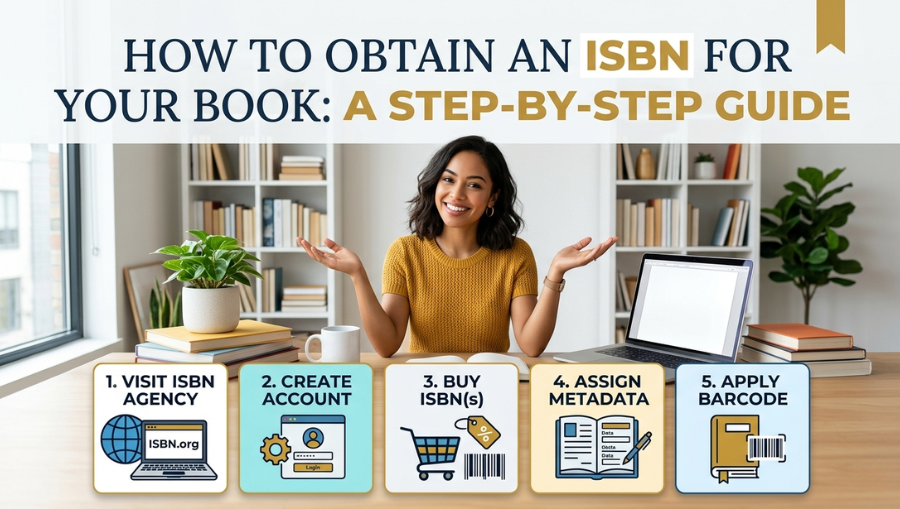
The process of obtaining an ISBN is straightforward. Here’s a breakdown:
- Choose the official ISBN agency for your country: Each country has an official ISBN agency, such as Bowker in the U.S.
- Create a publisher account: You may need to set up an account if you haven’t already. This is essential for managing ISBN assignments and publisher data.
- Buy or request ISBNs: You can either purchase a single ISBN or a block of ISBNs, depending on your needs.
- Assign the ISBN to your book: Once you’ve purchased your ISBN, you will assign it to the book’s specific format (e.g., paperback, hardcover, or ebook).
- Complete metadata submission: After assigning the ISBN, you’ll need to provide important information about your book, such as the title, author name, publisher, and more.
This process is relatively simple, and you can complete it online through your country’s ISBN agency.
Where to Buy an ISBN Number?
In the United States, ISBNs are sold through Bowker’s official site, MyIdentifiers.com. This is the only authorized distributor of ISBNs in the U.S. You can purchase a single ISBN or a block, depending on your publishing needs.
Here are some options:
- One ISBN: If you’re only publishing a single book, a single ISBN might be enough.
- A block of 10 ISBNs: A cost-effective option if you plan to publish multiple books or editions in the future.
- Bulk ISBNs: Ideal for publishers or authors with a long-term publishing plan.
Other countries will have their own ISBN agencies, and prices and procedures may differ. Make sure to check the official agency for your region.
How to Apply for an ISBN in the US?
In the U.S., Bowker is the official agency for ISBN registration. Here’s how you apply:
- Create an account: Visit MyIdentifiers.com and sign up.
- Select the number of ISBNs: Choose whether to purchase one ISBN or a block of 10 or more.
- Provide book details: Enter the title, author name, format (e.g., paperback, ebook), and other required details.
- Complete the payment process: After submitting your details, complete the purchase process.
- Assign the ISBN: Once you’ve paid, you will be able to assign the ISBN to your book.
What Is the ISBN Registration Process?
When you register an ISBN, you are essentially creating a unique identity for your book. The process involves the following steps:
- Purchase an ISBN from the official agency.
- Assign the ISBN to the correct book format (e.g., paperback, ebook, hardcover).
- Submit your book’s metadata: This includes the title, author, publisher name, publication date, format, and other details.
- Verify and finalize: Once all the data is entered, verify the information and finalize the registration.
The ISBN then becomes the key identifier for your book in databases, online retailers, and libraries.
Do Self-Published Authors Need an ISBN?
Yes, self-published authors need an ISBN if they want to distribute their books through retail channels, libraries, or other distributors. It’s particularly important for print books, but it can also be necessary for ebooks, depending on the platform.
Some platforms, like Amazon’s Kindle Direct Publishing (KDP), offer a free ISBN option for print books, but this means that the platform will be listed as the publisher, not you. If you want to retain full control over your book’s publishing rights and metadata, it’s best to buy your own ISBN.
Where Can I Buy ISBNs for Self-Publishing?
For self-published authors, ISBNs can be purchased directly from Bowker in the U.S. or from your country’s official ISBN agency. When purchasing, you’ll need to choose the correct ISBN format for your book, whether it’s for a paperback, hardcover, or ebook.
Some self-publishing platforms like Amazon KDP or IngramSpark may offer free ISBNs, but as mentioned, these free options often list the platform as the publisher. If maintaining full control is important to you, buying your own ISBN is the better choice.
What Information Do You Need Before Applying for an ISBN?
Before you apply for an ISBN, ensure you have all of the following information:
- Book title and subtitle: Make sure they are final and correctly spelled.
- Author name: Enter the author’s name as it will appear on the book.
- Publisher or imprint name: You may use your own imprint if you are self-publishing.
- Book format: Specify if it’s a paperback, hardcover, ebook, or audiobook.
- Edition information: If it’s the first edition, second edition, etc.
- Publication date: Set your book’s release date.
- Language: Indicate the language your book is written in.
- Genre or subject: Include categories such as fiction, non-fiction, fantasy, etc.
- Price (optional, depending on the platform): Some agencies ask for the price at the time of ISBN assignment.
Having this information ready will streamline the application process and ensure accuracy in your ISBN registration.
Do You Need a Separate ISBN for Each Format?
Yes, each format of your book requires its own ISBN. If you publish a paperback, ebook, hardcover, and audiobook, each format needs a separate ISBN. This is because each format is treated as a unique product in the marketplace.
For example:
- A paperback edition requires one ISBN.
- An ebook edition requires a separate ISBN.
- An audiobook will also need its own ISBN.
This helps ensure that each version of your book is properly identified in databases and on retail platforms.
Can You Use a Free ISBN?
Some platforms, like Amazon KDP or Draft2Digital, offer free ISBNs for books published through their services. While this may be convenient, using a free ISBN means that the platform will be listed as the publisher of record, not you.
If you plan to distribute your book beyond the platform where you received the free ISBN, you may need to purchase your own ISBN. Buying your own ISBN gives you full control over your book’s publishing information and can help establish your brand identity.
How Much Does an ISBN Cost?
The cost of an ISBN varies depending on the country and the number of ISBNs you purchase. In the U.S., a single ISBN from Bowker costs around $125. However, you can save money by purchasing a block of ISBNs. For example, a block of 10 ISBNs is priced around $295.
If you plan to publish multiple books or editions, purchasing a block of ISBNs is often more cost-effective.
How Long Does It Take to Get an ISBN?
The process of obtaining an ISBN is typically quick, especially if you’re purchasing through an official agency like Bowker. Once you’ve completed your purchase, you can usually access the ISBN immediately and begin assigning it to your book formats.
However, the overall process of preparing your book for publication such as formatting, designing the cover, and finalizing the manuscript, will take more time. It’s recommended to secure your ISBN before finalizing these details to avoid any delays.
How Can an ISBN Help with Book Discovery?
An ISBN plays a critical role in book discovery. It ensures that your book is identifiable in retailer catalogs, library databases, and distribution networks. When booksellers and libraries search for your book by its ISBN, they can easily find the correct edition and format.
In addition, using an ISBN can enhance your book’s visibility on search engines and in the metadata provided to platforms like Amazon, Google Books, and Goodreads. Properly registering your ISBN helps improve your book’s online searchability and supports better SEO practices.
Step-by-Step ISBN Application Process
The ISBN application process starts with the official agency and ends with accurate metadata across your book ecosystem.
Follow this workflow:
- Find your official ISBN agency.
- Create an author, publisher, or imprint account.
- Buy or request the correct number of ISBNs.
- Assign each ISBN to one book format.
- Enter title, author, language, edition, and format data.
- Add publication date, description, and categories.
- Generate a barcode for print books.
- Add the ISBN to your copyright page.
- Add the barcode to your back cover.
- Submit the same ISBN to retailers and distributors.
- Check retailer listings after publication.
- Correct metadata conflicts early.
This workflow helps search engines, retailers, and AI answer engines identify your book as a stable publishing entity.
Final Thoughts on Obtaining an ISBN for Your Book
Obtaining an ISBN is an essential step in the publishing process, whether you’re self-publishing or working with a traditional publisher. It provides your book with a unique identifier, ensuring that it can be tracked, sold, and distributed professionally. By following the right process, you’ll be able to confidently publish your book with the proper ISBN registration.
While ISBNs are often overlooked, they play a key role in establishing your book’s identity in the global marketplace, making it easier for readers, libraries, and booksellers to find and stock your book.
Frequently Asked Questions About ISBNs
How do I get an ISBN for my book?
You get an ISBN by applying through your country’s official ISBN agency, buying or requesting a number, and assigning it to one specific book format. In the US, authors usually use Bowker/MyIdentifiers.
Where can I buy an ISBN number?
You can buy an ISBN number from the official ISBN agency in your country. In the US, Bowker/MyIdentifiers is the official ISBN source. Avoid unofficial resellers because ownership may become unclear.
Can I use one ISBN for paperback and ebook?
No, you should not use one ISBN for paperback and ebook formats. Each format is a separate product and normally needs its own ISBN.
Do self-published authors need ISBNs?
Self-published authors need ISBNs when they publish print books, sell through bookstores, use wide distribution, or want professional metadata control. Some platform-only ebooks do not require one.
Is a free ISBN bad?
A free ISBN is not bad, but it can limit publisher control. The platform that provides it may appear as the publisher of record. Your own ISBN gives stronger branding control.
Can I change an ISBN after publication?
You cannot transfer an assigned ISBN to a different book format or unrelated edition. You can update some metadata, but major format or edition changes usually need a new ISBN.
Does an ISBN help book sales?
An ISBN does not directly create sales, but it supports distribution, ordering, cataloging, and discoverability. Better metadata can help retailers and libraries display the book accurately.
Do I need an ISBN before cover design?
Yes, for print books, get the ISBN before final cover design. The back cover barcode uses the ISBN, and the copyright page should include the correct number.